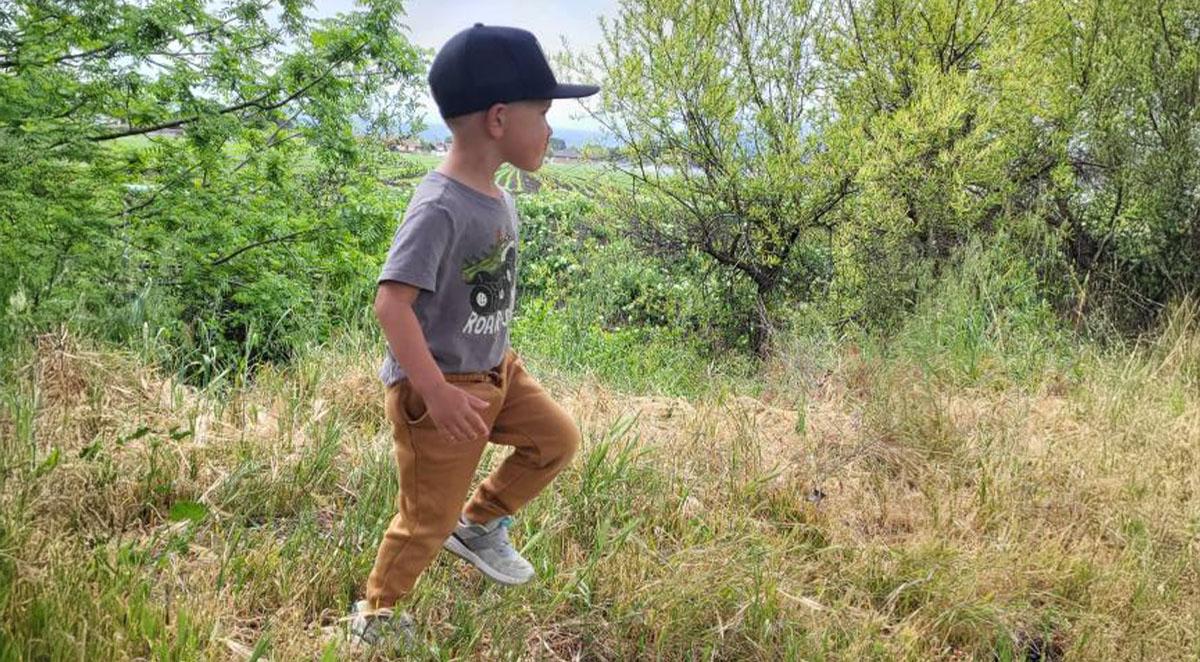
In a world increasingly dominated by screens and indoor activities, children's sensory development often takes a backseat to digital engagement. At Meadowlark Schools, we believe that nature provides the richest, most diverse environment for children to develop their senses fully. The natural world offers an unparalleled sensory playground that manufactured environments simply cannot replicate, providing children with opportunities to refine all five senses through meaningful interactions with their environment.
Why Sensory Development Matters in Early Childhood
Sensory development forms the foundation for all learning and cognitive growth. When children receive rich, varied sensory input, their brains create stronger neural connections that support development across all domains. According to research from the American Academy of Pediatrics, multisensory experiences in early childhood significantly enhance brain development and contribute to stronger cognitive abilities later in life (American Academy of Pediatrics, 2023).
Children naturally use their senses to understand and interact with the world around them. Each sensory experience contributes to their growing understanding of how things work, how they relate to their environment, and how they can impact their surroundings. When these experiences happen in nature, they become even more powerful due to nature's inherent variability, unpredictability, and richness.
How Different Natural Environments Stimulate Each Sense
Visual Development: The Wonder of Seeing Nature
Natural environments provide a visual feast that artificial settings cannot match. In nature, children experience:
- Varied distances: From focusing on a nearby ladybug to gazing at distant mountains, nature encourages the eye to adjust to different focal lengths, strengthening eye muscles and visual processing.
- Natural light variations: Sunlight filtering through leaves, the soft glow of dusk, or the play of shadows creates constantly changing visual stimuli that helps children discern subtle differences in light, color, and contrast.
- Complex patterns and textures: From the intricate veins of a leaf to the ripples on a pond's surface, natural patterns help children develop pattern recognition and visual discrimination skills.
Research from the National Recreation and Park Association shows that regular exposure to natural landscapes improves visual-spatial awareness and depth perception in young children (National Recreation and Park Association, 2022).
Auditory Development: The Symphony of Outdoor Sounds
The natural world offers a complex soundscape that helps children develop auditory discrimination and processing:
- Varied natural sounds: Wind rustling through leaves, birdsong, flowing water, and insects buzzing all provide a rich tapestry of sounds at different volumes, pitches, and rhythms.
- Spatial awareness through sound: Hearing birds calling from different directions or leaves crunching under their feet helps children develop auditory localization skills.
- The power of natural quiet: Unlike indoor environments with constant background noise, nature offers moments of relative quiet that allow children to tune in to subtle sounds they might otherwise miss.
Studies have shown that children who spend more time in natural environments demonstrate better auditory discrimination skills and attention to auditory details (Children & Nature Network, 2024).
Tactile Exploration: The Feel of the Natural World
Nature provides an unmatched variety of textures and tactile experiences:
- Natural textures: Rough tree bark, smooth stones, soft moss, sticky sap, and crumbly soil offer a diversity of tactile sensations that help children refine their sense of touch.
- Temperature variations: Feeling cool water, warm sunshine, or the chill of a breeze teaches children about temperature differences and how their bodies respond.
- Natural resistance: Climbing, digging, pushing, and pulling in natural environments requires varying degrees of physical effort, helping children develop proprioception (body awareness) and muscle control.
At Meadowlark Schools, we've observed that children who regularly engage with natural materials develop more sophisticated fine motor skills and tactile discrimination abilities than those primarily interacting with manufactured materials.
Olfactory Development: The Scents of the Outdoors
The natural world is filled with distinctive scents that help children develop their sense of smell:
- Seasonal scents: The earthy smell after rain, blooming flowers in spring, fallen leaves in autumn, and the crisp scent of winter air create a changing olfactory landscape.
- Plant aromas: Fragrant herbs, pungent soil, sweet fruits, and aromatic flowers all offer distinctive scents that help children develop olfactory memory and discrimination.
- Weather-related smells: The distinctive scents before and after a storm, the smell of morning dew, or the scent of warming earth all connect children to natural cycles.
Research indicates that early olfactory experiences help form strong memory associations and emotional connections (Journal of Environmental Psychology, 2021).
Taste Exploration: Connecting with Food Sources
While taste exploration requires careful supervision, nature offers appropriate opportunities for children to develop this sense too:
- Garden-to-table experiences: Growing edible plants, harvesting fruits and vegetables, and preparing fresh food creates a direct connection between nature and taste.
- Seasonal harvests: Tasting fruits and vegetables at peak ripeness teaches children about seasonal cycles and flavor variations.
- Food preparation: Involving children in preparing fresh ingredients helps them appreciate natural flavors and develop healthy food preferences.
Our farm-to-school connection at Meadowlark provides children with immersive agricultural experiences that build a deeper understanding of food sources and healthy eating habits that shape lifelong values. Beginning Fall 2026, this vision will take shape through Meadowlark Farm School — a small, intentionally boutique program with limited enrollment on our expansive Hollister property. The intimate size of the program is by design: as a new venture, enrollment will remain limited while we grow and work toward acquiring the conditional use permits needed to expand capacity in the future. For families seeking this unique experience, we encourage you to inquire early.
The Unique Benefits of Outdoor Sensory Development
When sensory development occurs primarily in natural settings, children experience unique benefits that indoor environments simply cannot provide:
Integration of Multiple Senses
Nature naturally encourages multisensory experiences. When a child explores a pine cone, they're simultaneously engaging sight (observing its structure), touch (feeling its texture), smell (experiencing its scent), hearing (listening to the sound it makes when handled), and sometimes even taste (through associated experiences like pine nuts or maple syrup). This integrated sensory experience creates stronger neural connections and more holistic understanding.
Sensory Regulation
Research from the International Journal of Environmental Research and Public Health has found that natural environments help children develop better sensory regulation—the ability to process sensory information without becoming overwhelmed (International Journal of Environmental Research and Public Health, 2022). The relatively predictable variability of nature (as opposed to the sometimes chaotic, overwhelming input of indoor environments) gives children's sensory systems opportunities to adapt at a manageable pace.
Heightened Awareness and Observation Skills
Children who regularly engage with nature develop keen observation skills. They notice subtle changes—new buds forming, animal tracks appearing, weather patterns shifting—that foster scientific thinking and a deeper connection to their environment. This attentiveness transfers to other learning situations, helping children become more observant and detail-oriented.
How Meadowlark Schools Incorporates Sensory Development in Nature
At Meadowlark Schools, sensory development through nature is woven throughout our curriculum:
- Outdoor free play in thoughtfully designed natural playspaces featuring logs, stones, hills, and native plants that invite exploration and engage all senses
- Gardening activities where children participate in planting, tending, and harvesting edible plants, creating a direct connection to food sources
- Natural materials in the classroom like wood, stone, plants, and other elements that engage children's senses even during indoor time
- All-weather outdoor time allowing children to experience nature's sensory offerings in rain, shine, and various weather conditions, developing resilience and a connection to natural cycles
Our teachers are trained to recognize and support sensory development through intentional practices that draw children's attention to sensory details and help them process and integrate these experiences.
Practical Ways Parents Can Encourage Sensory Exploration in Nature
Families can extend this sensory-rich approach at home with simple activities:
- Sensory scavenger hunts: Create lists of things to find based on sensory qualities (something rough, something that makes a sound, something fragrant)
- Nature collections: Encourage children to gather natural items that interest them, and take time to explore them using all senses
- Weather experiences: Don't shy away from different weather conditions—each offers unique sensory experiences, from feeling raindrops to hearing thunder to smelling the air before a storm
- Seasonal exploration: Visit the same natural location in different seasons to experience how sights, sounds, smells, and textures change throughout the year
- Mindful moments: Take time to pause and really focus on one sense at a time—what do you hear when you're really listening? What details do you see when you look closely?
FAQ About Sensory Development and Nature Play-Based Learning
How does sensory-rich outdoor learning affect academic performance?
Research consistently shows that nature-based sensory experiences build the foundation for academic success. Children who have rich sensory foundations demonstrate better attention spans, stronger observation skills, more sophisticated language development, and enhanced problem-solving abilities—all of which contribute to academic achievement. According to a study in the Journal of Adventure Education and Outdoor Learning, children in nature-based early education programs demonstrate stronger kindergarten readiness skills than peers in conventional settings (Journal of Adventure Education and Outdoor Learning, 2023).
What if my child seems sensitive to certain sensory experiences?
Each child has their own sensory preferences and thresholds. At Meadowlark Schools, we honor these individual differences while gently encouraging children to expand their comfort zones at their own pace. Our teachers are trained to recognize signs of sensory discomfort and provide appropriate support. The beauty of natural environments is their variability—there are always alternative ways for children to engage that honor their unique sensory profiles.
Do you still focus on sensory development during winter or rainy seasons?
Absolutely! Each season and weather condition offers unique sensory opportunities. Winter brings the sensation of cold air, the sound of crunching snow or ice, the visual beauty of frost patterns, and the smell of wood fires. Rainy days provide opportunities to experience the sound of rain, the feel of mud, the sight of puddles and raindrops, and the distinctive earthy smell after rainfall. At Meadowlark, we believe there's no such thing as bad weather, only inappropriate clothing.
How does technology fit into sensory development?
While we prioritize direct sensory experiences with the natural world, we recognize that technology can sometimes enhance these experiences. For example, using magnifying glasses or simple microscopes to examine natural objects up close or recording nature sounds to listen to later can extend and deepen sensory exploration. However, we believe that direct, unmediated sensory experiences should always be the primary foundation for children's development.
How can I support my child's sensory development if we live in an urban area?
Nature exists everywhere, even in cities. Urban parks, community gardens, potted plants, and even weeds growing through sidewalk cracks can provide sensory experiences. The key is taking the time to engage mindfully with whatever natural elements are available. Many families find that weekend excursions to natural areas complement the smaller natural moments they find in daily urban life.
Conclusion
The five senses are our children's primary tools for understanding and connecting with the world. When these senses are developed in rich, natural environments, children gain not just stronger sensory processing abilities, but also a deeper connection to the natural world and a foundation for lifelong learning. At Meadowlark Schools, we witness daily how nature-based sensory exploration supports children's holistic development, building confidence, curiosity, and capability.
We invite you to visit our Stockton campus to see our nature-based approach in action, or learn more about our approach to nature and how it supports sensory development. For families interested in learning more about why nature-based learning matters, we encourage you to explore our additional resources or contact us with any questions.